Make Next Week Flow: Your Personal Logistics Playbook

Map the Moving Parts
Capture Every Recurring Obligation
List obligations that repeat monthly, weekly, or seasonally, noting exact triggers—like when a pantry staple hits its last package, or sneakers squeak before a long walk. Include invisible chores: scanning warranties, clearing inbox labels, backing up phones, and checking subscription renewals. The more granular the capture, the gentler your week feels, because recurrence becomes predictable instead of surprising. If you forget something, add it later; your list is a living map, not a judgment.
Visualize Dependencies and Lead Times
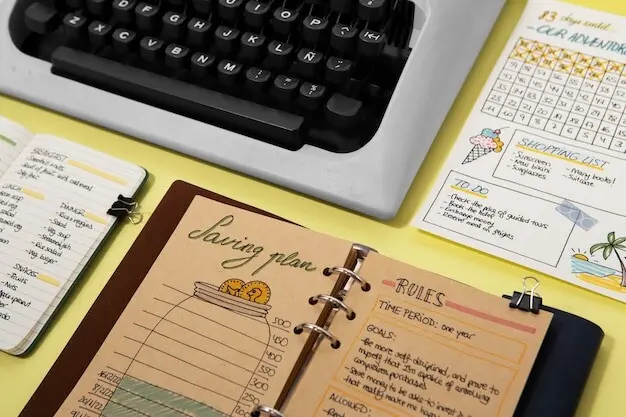
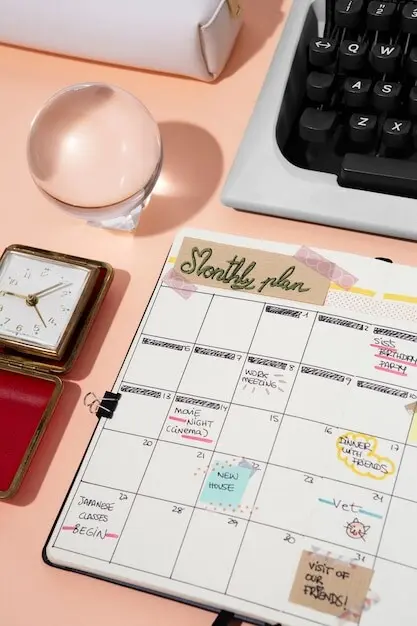
Draw arrows between tasks that depend on others: you must check the fridge before planning meals, confirm schedules before booking repairs, and sort returns before selecting pickup slots. Add lead times, like delivery windows and payment processing lags. This reveals where one missed step ricochets across your week. A simple timeline on paper or a digital board prevents cascades of delays. Designing buffers around critical dependencies makes your routine feel calm, even during busy seasons.
Spot Constraints and Friction Points
Note bottlenecks such as limited store hours, rush-hour traffic, elevator maintenance, and shared-car conflicts. Identify your personal friction: low motivation late evenings, decision fatigue after meetings, or limited quiet time for paperwork. Constraints suggest structure, not punishment. If you front-load tricky tasks during your clearest hour, cluster geographically, and pre-stage materials, friction shrinks dramatically. Keep a short list titled “Repeating Snags” and review it weekly to remove just one or two barriers at a time.
Build a Weekly Cadence That Breathes





Smart Tools, Simple Rules
Logistics for Energy, Not Just Time
Match Tasks to Your Natural Rhythms
Protect Recovery Like a Delivery Window
Use Micro-Milestones to Sustain Momentum
Sourcing, Stock, and Household Supply Loops
Create a Just-in-Time Restock Routine
Pick simple thresholds: two rolls left signals reorder, one bottle triggers refill, freezer half-full prompts plan-ahead meals. Capture needs immediately, ideally through a shared list everyone can add to. Consider monthly bulk staples and weekly perishables to balance savings and freshness. Place new items behind older ones to encourage rotation. This quiet routine reduces emergency runs, protects your budget, and guarantees comfort. Over a month, the calm from never running out feels surprisingly luxurious.
Meal Planning That Reduces Trips
Plan meals after scanning fridge and pantry, not before. Choose versatile base ingredients that flex across recipes, minimizing one-off purchases. Assign a themed pattern—bowls Monday, pasta Tuesday, sheet-pan Wednesday—to simplify choices while keeping variety. Batch-cook foundational components once, like grains or roasted vegetables. Place a midweek lighter shop for fresh produce only. With a reliable pattern, grocery runs shrink, food waste drops, and evening logistics feel clear, leaving more space for connection and rest.
Maintenance Cycles for the Boring Essentials
Set recurring checks for filters, batteries, light bulbs, and cleaning tools. Stagger them across the month so no week feels heavy. Keep a labeled caddy with essentials and a laminated checklist stored where work happens. Quick maintenance prevents bigger failures and preserves calm. Celebrate completion with a tiny ritual—playlist on, window open, coffee reward—so even dull chores gain momentum. Over time, these cycles quietly protect comfort while asking remarkably little attention or willpower.
Friday Debrief in Fifteen

Tiny Experiments, Clear Metrics
Share Wins, Ask for Help
All Rights Reserved.