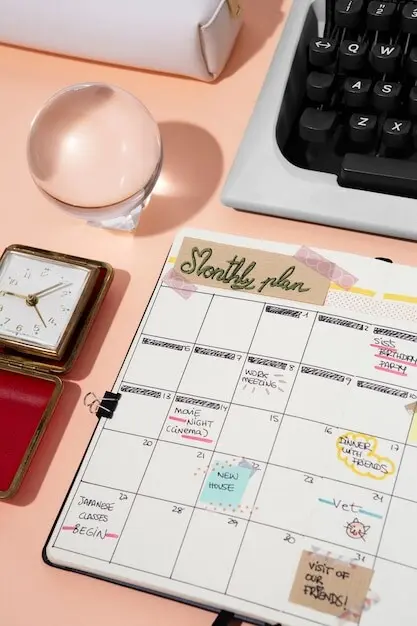
Make Next Week Flow: Your Personal Logistics Playbook

Today we focus on designing a weekly routine for personal logistics management, turning scattered errands, deliveries, calendars, and obligations into a calm, repeatable rhythm. Expect practical strategies, warm stories from everyday life, and small experiments you can try immediately. By the end, you will know how to protect buffers, align energy with tasks, and recover quickly from surprises while still moving steadily toward what matters most. Share your questions and wins so we can refine this playbook together.

Map the Moving Parts

Before improving any schedule, first reveal the invisible threads that tug at your days. Inventory everything that moves your life: grocery runs, kid drop-offs, parcel returns, bill deadlines, pet care, medication refills, laundry, and tidy-up loops. When you see dependencies and lead times clearly, you stop firefighting and start sequencing. This map becomes your compass, showing where a small adjustment creates oversized relief. Begin imperfectly; clarity grows quickly once tasks live outside your head.

Capture Every Recurring Obligation

List obligations that repeat monthly, weekly, or seasonally, noting exact triggers—like when a pantry staple hits its last package, or sneakers squeak before a long walk. Include invisible chores: scanning warranties, clearing inbox labels, backing up phones, and checking subscription renewals. The more granular the capture, the gentler your week feels, because recurrence becomes predictable instead of surprising. If you forget something, add it later; your list is a living map, not a judgment.

Visualize Dependencies and Lead Times

Draw arrows between tasks that depend on others: you must check the fridge before planning meals, confirm schedules before booking repairs, and sort returns before selecting pickup slots. Add lead times, like delivery windows and payment processing lags. This reveals where one missed step ricochets across your week. A simple timeline on paper or a digital board prevents cascades of delays. Designing buffers around critical dependencies makes your routine feel calm, even during busy seasons.

Spot Constraints and Friction Points

Note bottlenecks such as limited store hours, rush-hour traffic, elevator maintenance, and shared-car conflicts. Identify your personal friction: low motivation late evenings, decision fatigue after meetings, or limited quiet time for paperwork. Constraints suggest structure, not punishment. If you front-load tricky tasks during your clearest hour, cluster geographically, and pre-stage materials, friction shrinks dramatically. Keep a short list titled “Repeating Snags” and review it weekly to remove just one or two barriers at a time.

Build a Weekly Cadence That Breathes
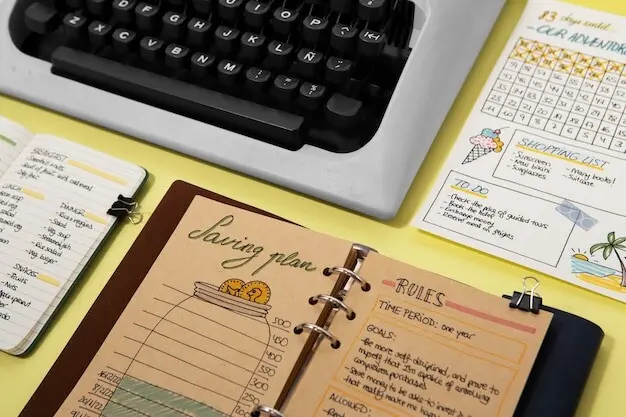
Great routines feel alive, not rigid. Combine anchor rituals with flexible pockets so plans bend without breaking. Think Monday plan-and-prepare, midweek status checks, and Friday reviews. Place errands on low-energy days, protect a quiet admin block, and schedule intentional rest like appointments. If life surprises you, buffers catch the fall. Over time, cadence becomes second nature, gently guiding you through logistics with less effort and more confidence. Stability emerges from rhythm, not brute force.

Smart Tools, Simple Rules

Tools help most when they disappear into the background. Choose a single calendar, a master task list, and lightweight reminders. Establish rules that keep information trusted and current: everything goes in immediately, nothing lives only in memory. Start simple and resist app hopping. Automations can wait until your core routine holds. An honest weekly audit—what worked, what drifted—will guide any upgrades. The aim is clarity with minimal friction, not gadget-driven complexity.

Logistics for Energy, Not Just Time

Match Tasks to Your Natural Rhythms

Notice your personal peaks and dips: perhaps calm detail work shines at 9 a.m., while afternoons suit phone calls and gentle errands. Schedule accordingly. If evenings sag, save only simple resets—dishwasher, brief tidy, backpack check. By aligning work with energy, resistance fades, results improve, and routines stick. Keep a two-week log to discover patterns, then adjust your template. Rhythm-aware planning often reclaims more capacity than squeezing in extra hours ever could.

Protect Recovery Like a Delivery Window

Guard sleep, breaks, and nourishing downtime with the same seriousness as package arrivals. Book a brief walk after mentally heavy tasks, and a quiet stretch before your weekly planning session. Prevent burnout by capping consecutive high-effort blocks and inserting playful micro-rests—tea, music, or sunlight by a window. Recovery ensures tomorrow’s logistics are smoother, because a rested mind spots shortcuts, negotiates kindly, and remembers details. Treat restoration as non-negotiable infrastructure, not an accidental luxury.

Use Micro-Milestones to Sustain Momentum

Big chores stall when success feels distant. Slice them into visible, celebratory steps: gather forms, pre-fill names, verify dates, scan receipts, upload confirmations. Place a tiny reward after each segment—fresh fruit, five minutes outside, a favorite podcast. Momentum compounds as your brain expects achievable wins. Track micro-milestones on a small card and snap a photo when complete; this visual record tells an encouraging story on days when motivation wobbles, keeping your routine pleasantly durable.

Sourcing, Stock, and Household Supply Loops

Running out of basics creates avoidable chaos. Build a calm loop for food, toiletries, paper goods, and cleaning supplies. Decide par levels—how low before you restock—and place trackers where decisions happen: pantry doors, bathroom shelves, or your phone. Batch purchases with predictable delivery windows or a regular store route. Pair meal planning with inventory review to reduce waste. A small staging shelf near the entrance helps unbox quickly. Stock steadiness turns surprises into manageable adjustments.

Create a Just-in-Time Restock Routine

Pick simple thresholds: two rolls left signals reorder, one bottle triggers refill, freezer half-full prompts plan-ahead meals. Capture needs immediately, ideally through a shared list everyone can add to. Consider monthly bulk staples and weekly perishables to balance savings and freshness. Place new items behind older ones to encourage rotation. This quiet routine reduces emergency runs, protects your budget, and guarantees comfort. Over a month, the calm from never running out feels surprisingly luxurious.

Meal Planning That Reduces Trips

Plan meals after scanning fridge and pantry, not before. Choose versatile base ingredients that flex across recipes, minimizing one-off purchases. Assign a themed pattern—bowls Monday, pasta Tuesday, sheet-pan Wednesday—to simplify choices while keeping variety. Batch-cook foundational components once, like grains or roasted vegetables. Place a midweek lighter shop for fresh produce only. With a reliable pattern, grocery runs shrink, food waste drops, and evening logistics feel clear, leaving more space for connection and rest.

Maintenance Cycles for the Boring Essentials

Set recurring checks for filters, batteries, light bulbs, and cleaning tools. Stagger them across the month so no week feels heavy. Keep a labeled caddy with essentials and a laminated checklist stored where work happens. Quick maintenance prevents bigger failures and preserves calm. Celebrate completion with a tiny ritual—playlist on, window open, coffee reward—so even dull chores gain momentum. Over time, these cycles quietly protect comfort while asking remarkably little attention or willpower.

Friday Debrief in Fifteen

Set a consistent Friday check-in. Scan the past seven days, circle sticking points, and highlight graceful saves worth repeating. Note any commitments that arrived late or collided. Then preview the next week’s constraints and pre-stage one helpful action: print forms, assemble a returns bag, or confirm a ride. Fifteen minutes protects hours later. Keep the ritual light, friendly, and paired with a comforting drink so reflection feels like care, not correction or blame.

Tiny Experiments, Clear Metrics

Pick one change per week—like moving errands to lunchtime or shrinking notifications—and define what success means: fewer late fees, shorter trips, calmer evenings. Test for seven days, then decide to keep, tweak, or discard. Document results in a simple note so learning compounds. Over several cycles, this micro-science turns assumptions into evidence. You will build a routine that fits your real life, not an imagined ideal, and confidence will naturally follow those measured wins.

Share Wins, Ask for Help

Invite family or friends into your routine by celebrating small victories and naming obstacles plainly. A quick message—what worked, what flopped—sparks practical ideas and mutual support. Post your favorite hack in the comments and subscribe for weekly prompts. Connection reduces isolation, spreads clever shortcuts, and keeps morale high. When someone else’s insight saves you twenty minutes, pay it forward next week. Community turns logistics from a solo chore into a shared, uplifting practice.
Nilovexolivoxaritelikento
Privacy Overview

This website uses cookies so that we can provide you with the best user experience possible. Cookie information is stored in your browser and performs functions such as recognising you when you return to our website and helping our team to understand which sections of the website you find most interesting and useful.